Next Day Delivery on 1000s of products

Torque Tools

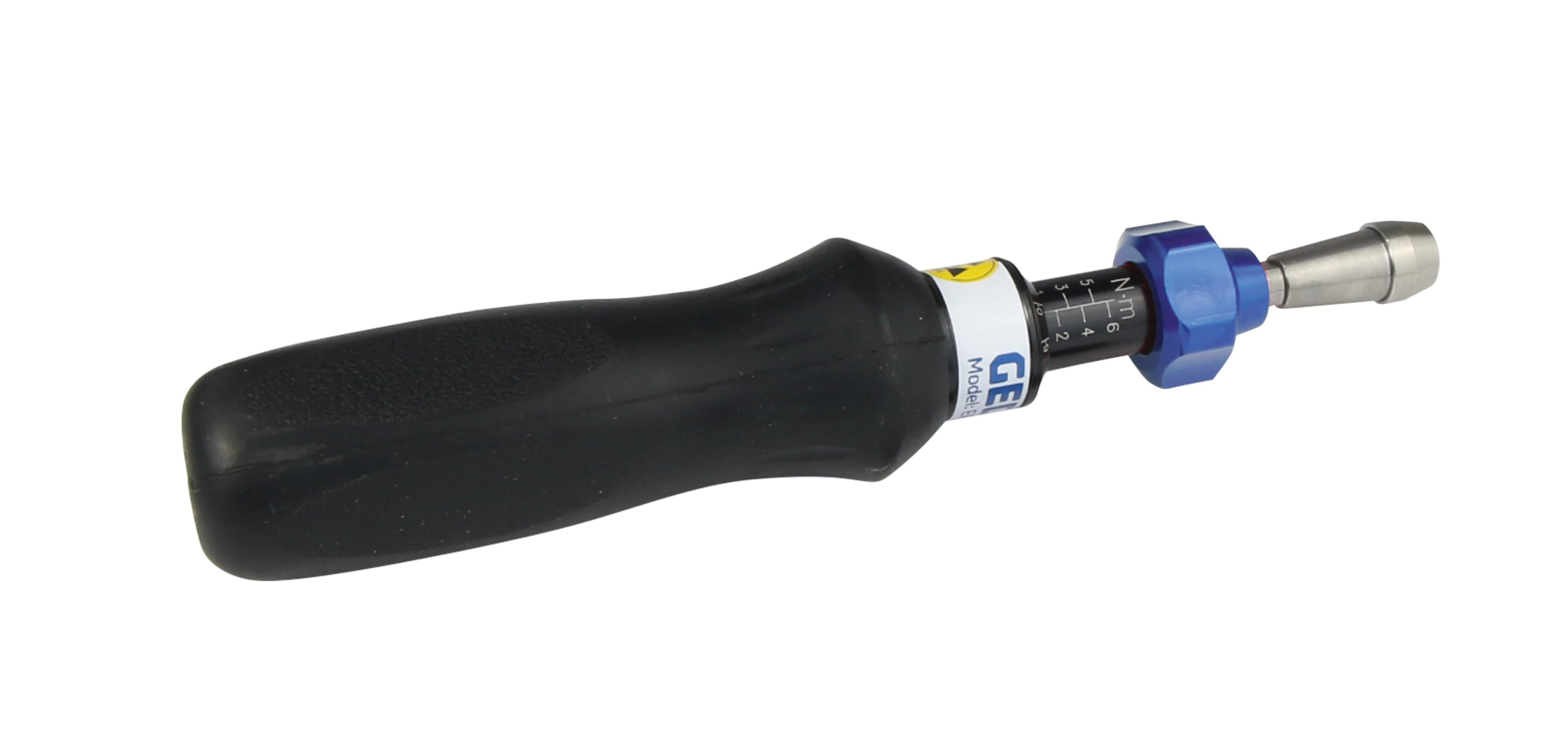
Torque tools, such as a torque wrenches and torque screwdrivers are precison tools that are designed to apply a specific amount of torque (rotational force) to a fastener, such as a nut or bolt. By applying precise amounts of torque, it prevents under-tightening, which can cause safety hazards because fasteners aren't tight enough and may become loose, and over-tightening, which can cause damage to the fastener and the material it is connected to.

Torque tooling is used across a wide range of sectors where safety, reliability and performance are required from correctly torqued fasteners, including aerospace, manufacturing, solar and renewable energy, automotive, rail and construction.

Torque tools require regular calibration from torque calibration equipment, to ensure that the results the torque tools display are accurate.

Frequently Asked Questions about Torque Tools

What are torque tools used for?

Torque tools are used to apply and measure a specific amount of rotational force to fasteners, such as bolts and nuts, ensuring they are tightened to the correct specification without over or under-tightening. Too little torque (under-tightening) and the fastener will become loose, whereas too much torque (over-tightening) can stretch fasteners and damage attached components.

Why is accurate torque important?

Accurate torque ensures the integrity and safety of mechanical joints. By having accuarate torque, it prevents damage to parts and maintains an accurate clamping force between the fastener and the part (to keep it connected, sealed, aligned etc.), which is crucial for the performance and safety of machinery and vehicles.

Accurate torque is required by engineers because it ensures that the fastener is tight enough to the part, but not too tight or loose that it impedes the function of the part. Specifications will normally state whether a fastener should be dry or lubricated, because different fastener environments can affect the application of accurate torque. In addition, the condition of fasteners (rusty, old, seized, corroded) can also affect the clamping force and torque that can be applied to them, which is why operators should always ensure they use new fasteners.

How do I choose the right torque tool?

Choosing the correct torque tool comes down to several factors -

  1. What torque is needed to apply the fastener safely and reliably to the part it is connecting to?
  2. The size of the fastener, although this normally affects how much torque is required.
  3. The shape and type of fastener. If it is a screw and a relatively low torque range, then it is likely the operator will need a torque screwdriver. If it is a bolt and a high level of torque that needs to be applied, then it'll likely be a torque wrench that the operator requires (for extremely high levels of torque, a torque multiplier may also be required).
  4. The level of accuracy required and whether any record-keeping is needed. I record keeping is required, then a digital torque tool that records torque applications will be required.
  5. Don't choose the torque tool so that it sits on the boundary of the torque the operator requires. A suitable choice would be to choose a torque tool where the target torque sits in the middle of the torque tool's capacity,  so if the operator needs to apply 20Nm of torque, use a torque tool that can apply 50Nm of torque. This places less strain on the torque mechanism in the tool, and will likely make it more accurate. 
  6. Pick the correct drive size for the fastener being worked on. As a rule of thumb, the higher the drive size, the higher the value of torque can be applied to the fastener.
  7. If the torque tool is being used on a production line, or regularly throughout the day, then choose an automated torque tool (like an electric torque screwdriver), which will do most of the work for the operator, and reduce repetitive strain injuries.

Can torque tools be calibrated?

Yes, torque tools should be regularly calibrated to maintain their accuracy. Calibration ensures the tool provides the correct torque and should be performed according to the manufacturer's recommendations.

The torque on torque tools drifts over time, for several reasons, such as impacts when the tool is dropped, spring wear in the torque mechanism or misuse (such as using a torque wrench to loosen fasteners), and continuing to use an uncalibrated tool will lead to consistently wrong torque results.

We can also calibrate your torque tool for you to ensure your tool sits within its specified accuracy expectations. 

Is there a difference between dynamic and static loading?

Yes there is. Dynamic load means the weight/torque application has gone through tension peaks, which could happen when using a click torque wrench because of the click mechanism. Static loading simply means that weight/torque has been applied slowly and evenly without any tension peaks, meaning it has been applied in a linear fashion.

What’s the difference between Nm, ft‑lb, and in‑lb, when measuring torque?

Nm stands for 'Newton-metre' and is a metric measure of torque, whereas ft-lb (foot-pound) and in-lb (inch-pound) are imperial measures of torque.

Different torque tools use different measurements, however some torque tools incorporate both metric and imperial measurements.

A torque conversion calculator may be of use if your torque tool doesn't have the torque measurement type you need for the application at hand.

Guides and Advice About Torque Tools

A Buyers Guide to Torque Tools
Discover the essentials of torque tools in this comprehensive buyer's guide. Learn about different types, including torque wrenches and screwdrivers, and key considerations like accuracy and durability to ensure precise and safe applications. Perfect for professionals and DIY enthusiasts alike.
Read more