Next Day Delivery on 1000s of products

Drill Bits

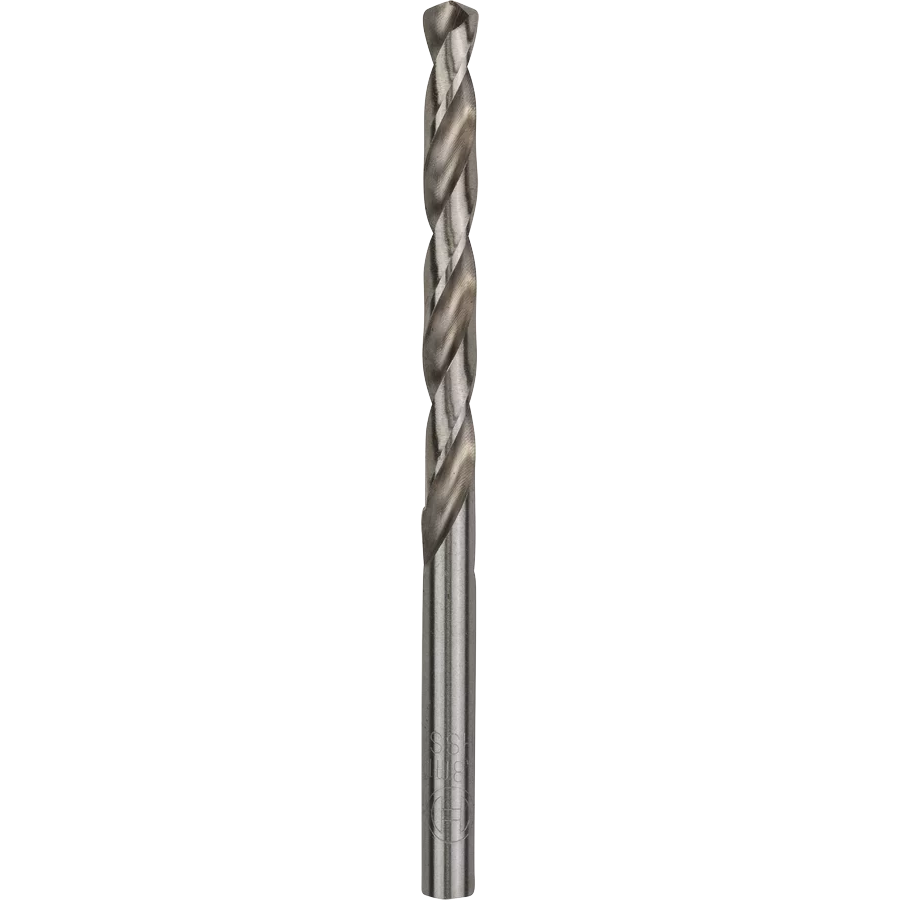
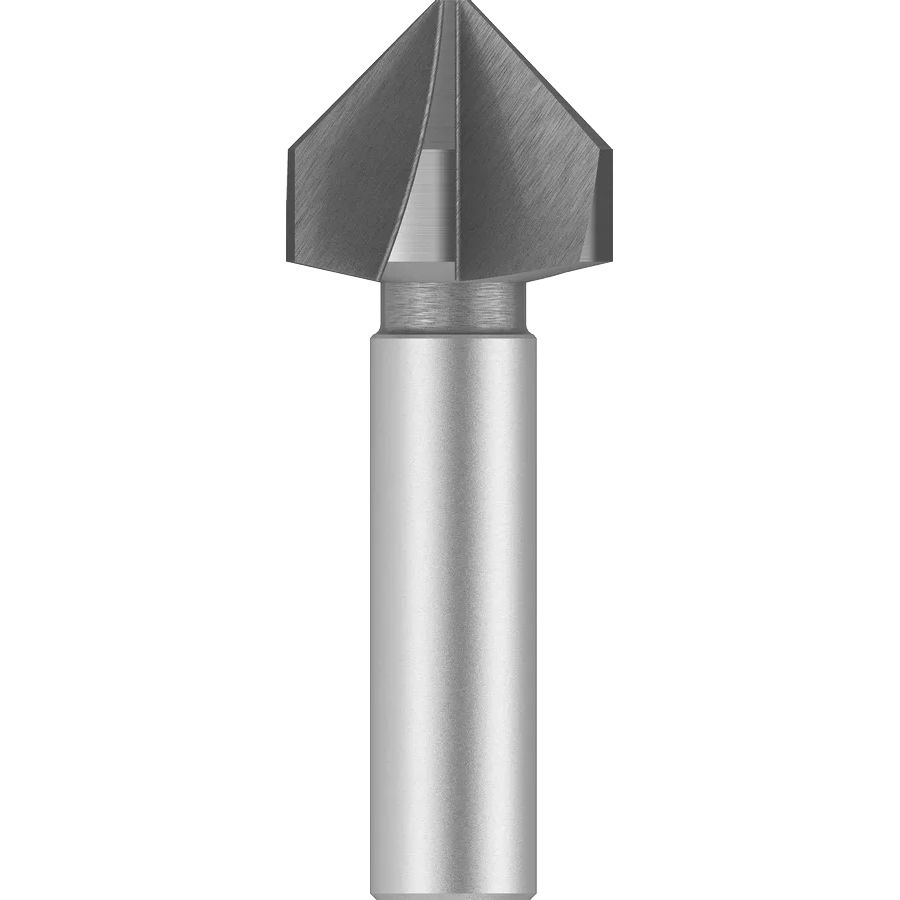
A drill bit is a cutting accessory fitted to a drill to create holes in a range of materials, including wood, metal, tiles, plasterboard, brick and concrete, depending on the bit type being used.

The correct drill bit depends on the material being drilled, the drill type, hole size, drilling depth and the finish required.

Drill bits are widely used across many trades, including construction, woodworking and metalworking, as well as by DIYers completing jobs around the home.

Frequently Asked Questions about Drill Bits

How do I avoid my drill bit slipping during use?

The easiest way to help prevent a drill bit from slipping when drilling into harder materials, such as metal, is to use a centre punch where suitable. This creates a small indentation that helps the drill bit stay in position as it starts cutting.

When drilling into smooth or slippery surfaces such as tiles, metal or laminate, applying masking tape over the marked drilling point can help stop the bit from wandering at the start of the hole.

The operator should start drilling at a low speed with steady, controlled pressure and once the bit has started to bite into the material, the speed can be increased if suitable.

Can drill bits be sharpened, and how often should I do it?

Yes, some drill bits can be sharpened when they become dull, struggle to bite, produce excessive heat, make rough holes or require more pressure than usual, but it depends on the bit type, material and level of wear.

Standard twist drill bits, such as HSS drill bits that are used for drilling into metal, wood and plastic, can often be resharpened using a bench grinder, drill bit sharpener or specialist sharpening tool to restore the cutting edges of the drill bit. Care should be taken to maintain the correct cutting angle when sharpening, as an incorrectly sharpened bit can cut poorly or become unsafe.

Bits with carbide tips, coatings, complex cutting profiles or diamond grit may need specialist sharpening but in many cases, these bits are best replaced once worn.

If a drill bit is cracked, bent, chipped, heavily worn or damaged, it should be replaced rather than sharpened.

How can the lifespan of a drill bit be extended?

The lifespan of a drill bit can be extended by choosing the correct bit for the material being drilled and using the right drilling speed, pressure and technique. Using the wrong bit, drilling too quickly or forcing the bit through the material can cause overheating, dulling, chipping or breakage.

If the drill bit is being used to drill metal then a suitable cutting fluid or lubricant can help reduce heat and friction, which will improve cutting performance and extend the life of the drill bit.

If the drill bit is being used for drilling into wood, plastic or masonry, then it is important to clear dust, chips or debris from the hole regularly to help prevent the drill bit from clogging or overheating.

After use, remove dust, resin or metal swarf from the flutes and store drill bits in a case or organiser to help protect the cutting edges from damage.

Can drill bits for wood be used on metal surfaces?

In short, no.

Wood drill bits should not be used on metal surfaces because they are shaped to cut softer materials such as timber, plywood, MDF and chipboard, and they are not usually hard enough or correctly designed to cut metal effectively. Using a wood drill bit on metal can cause it to become blunt, overheat or break.

If the operator is drilling into metal, then a suitable metal-rated drill bit should be used, such as an HSS drill bit or a multi-material drill bit that is rated for metal.

However, a metal drill bit can often be used to drill into wood because it is hard and sharp enough to cut into softer materials such as timber, plywood, MDF and plastic. It may not cut as quickly or cleanly as a dedicated wood drill bit and can cause heat build-up, clogging or a rougher hole, particularly when drilling deeper holes.


Guides and Advice About Drill Bits

Drill Bits for Masonry, Wood and Metal: What's the Difference?
Choosing the right drill bit is essential for achieving clean, precise holes and preventing damage to both the material and the tool.
Read more