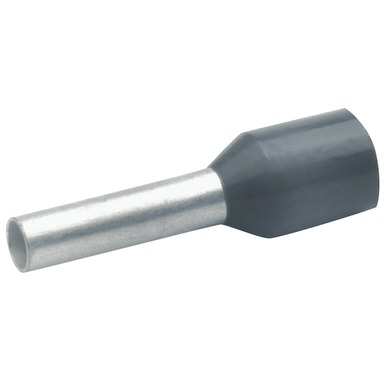
A wire connector or cable connector is an accessory that is designed to either connect two wires or cables together, or connect them to a component, such as an inverter or battery.
Wire and cable connectors provide secure and permanent connections, that are more reliable than twisting bare wire together, with many being able to be used both indoors and outdoors.
Wire connectors such as cable lugs and butt connectors can be crimped together with a crimping tool, which creates a permanent mechanical and electrical bond, whereas some wire connectors, such as lever wire connectors don't require a crimping tool because they have small levers that clamp to the wire securely.
Cable connectors and wire connectors are used widely by electricians, as well as in the automotive, defence and military, telecommunications, marine, rail and renewable energy sectors.
Wire connectors are used to either join two or more electrical wires securely, ensuring a safe and reliable connection, or to connect wires to a component, such as a battery.
Wire connectors are important for electrical installations because they prevent short circuits and also ensure proper electrical current flow.
Are all wire connectors used in the same way?
No they are not. Different wire connectors have different purposes, are used with different wire gauges and can handle different levels of electrical load. Some wire connectors provide a permanent electrical bond (such as a cable lug), whereas other wire connectors can be easily disconnected (such as a lever wire connector), and some can be used in all enviroments, whereas other wire connectors can only be used in dry environments, such as indoors.
Wire connectors also form bonds with wire in different ways. For example, a cable lug is used with a crimp tool, which deforms the cable lug onto the cable, so that they form a permanent bond and the lug can then connect to an electrical component, such as an inverter. However, not all wire connectors need a crimp tool. A wire nut is a hand operated wire connector that can have two different wires twisted into it, and the coil in the wire nut grips the wires to provide connectivity between them.
How do I choose the right wire connector?
Select a wire connector based on the wire gauge, the number of wires to be connected and the specific application (such as indoors/outdoors, solid/stranded wire, or connecting wires together or connecting them to a component). The operator should always ensure the wire connector is rated for the voltage and current requirements of the project, as well as any compliance codes or electrical specifications that may need to be met.
Are wire connectors reusable?
Some wire connectors, like twist-on connectors, can be reused if they are in good condition. However, others, such as cable lugs or butt connectors are crimped by a crimping tool to ensure a secure connection, and a crimped connection is a permanent connection (also known as a 'cold-weld'), so if the operator manages to part the wire from the lug, the lug will be damaged and not reusable.
What safety precautions should be taken when using wire connectors?
Always turn off the power at the breaker or fuse box before working with electrical wiring. Use the correct size and type of connector for your wire and follow the manufacturer's instructions to ensure a secure and safe connection.
Can I mix different wire gauges in one connector?
Smaller wires do not have the same capacity for current flow that bigger wires do, although it is possible to mix wire gauges in one connector and this could be executed for a voltage drop over a long run.
Using smaller wire gauges with larger gauges can cause overheating and general best practice is to ensure sizes are consistent, but some wire connectors can accomodate this, as long as they are specifically rated for that combination, such as certain wire nuts, lever and push-in connectors.
What is solid wire and what is stranded wire?
Solid wire is often found around properties and is one piece of thick conductor that is cheaper than stranded wire, less flexible and can be terminated with screw terminals.
Stranded wire consists of many fine strands twisted together into one conductor, creating a more flexible wire, which usually has to be terminated with a crimp. Stranded wires can handle vibration better than solid wires and are usually found in cars, planes and anything else which may cause them to move regularly through vibration.
Can wire connectors handle vibration
Yes some connectors can handle vibration, but not all can.
Connectors which are crimped, such as cable lugs and butt connectors can handle vibration because when they are crimped to the wire, the crimp creates a permanent mechanical and electrical bond.
Avoid wire-niuts and push-in connectors if your connection is likely to have vibration, as the wire connection with these connectors is not permanent and the vibration can cause the wires to back-off over time.
Why is the wire connector getting hot?
If a wire connector is getting hot then it becomes a serious fire hazard and needs unplugging immediately, or the electric supply to it needs shutting off.
Wire connectors can get hot for several reasons, such as using a wrong size conector, a loose connection or corrosion causing a high electrical resistance, as well as overloading the circuit or executing a bad crimp.
Understanding wire gauges is essential for anyone involved in electrical wiring, from professionals to DIY enthusiasts. Wire gauge refers to the thickness or diameter of a wire, which directly affects its electrical resistance and current-carrying capacity. Choosing the right gauge is needed for...
Choosing the correct metric bolt size is essential in construction, engineering and DIY projects. Metric bolts, measured in millimetres, are widely used across industries for their precision and standardisation.
Preventing wire damage is challenging, but there are ways to reduce it, enhancing the overall performance of applications. Find out how to minimise wire damage.