Next Day Delivery on 1000s of products

Polishing & Buffer Tools

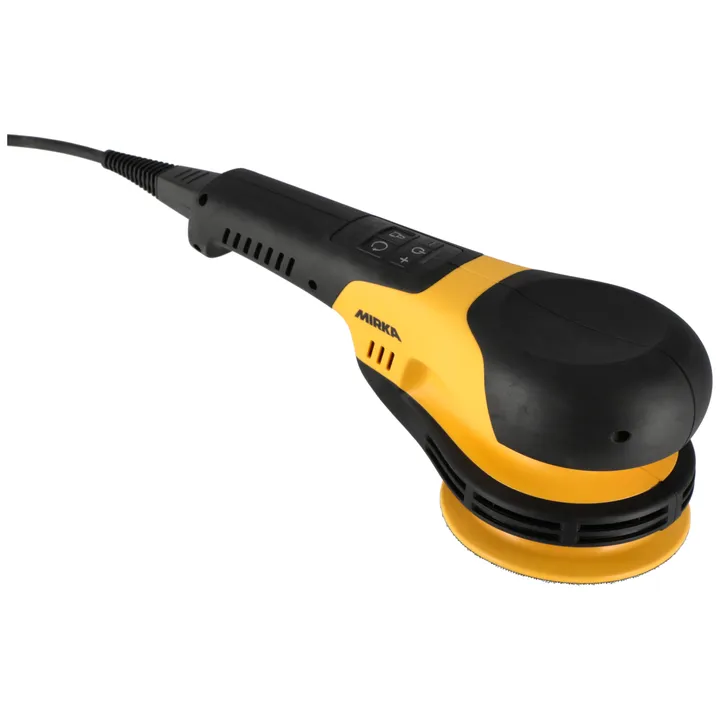
Polishers and buffers are powered hand tools that have a polishing pad attached to them that rotates to smooth out paint, metal, wood and plastic surfaces when finishing or as part of repair work.

They are usually inline or pistol gripped tools and it is common for a polishing compound to be applied to the polishing pad or surface that is being worked on, so that minor scratches or imperfections are polished out and restore a material to its orginal look.

Polishing tools and buffing tools are used by car detailers for paint correction, metalworkers when they are 'finishing' their work and by DIYers for polishing work on flooring or on their vehicle.

Frequently Asked Questions about Polishing & Buffer Tools

What are the different types of polishing and buffing tools and their uses?

Polishing tools include electric, cordless, and pneumatic options. Electric polishers are ideal for consistent power, cordless polishers provide portability and pneumatic polishers are suited for industrial tasks requiring high torque.

How do I choose the right polishing or buffing tool for my project?

Choose based on the material and finish required. Use high-speed polishers for metals, because it is easier for an abrasive polishing pad to cut through deep scratches at speed through metal, and use variable-speed polishers with a softer pad attached, when polishing delicate surfaces to avoid damaging them.

What are the benefits of pneumatic polishers over electric ones?

Pneumatic polishers generally offer more torque and durability, making them ideal for heavy-duty use, which is continual throughout a working day.  Air powered polishers are lighter than electric tools, which makes them easier to use over longer periods of time, however they do require an air compressor to function.

Can I use the same polishing tool for different materials?

While versatile tools exist, ensure you use the correct pads and compounds for each material. Incorrect combinations can damage surfaces or result in poor finishes.

How do I maintain and store polishing tools?

Clean tools after use to remove residue, store them in a dry place to prevent corrosion and inspect them regularly for wear and tear in order to maintain their performance.

What safety precautions should I take when using polishing tools?

The operator should wear safety glasses and gloves to protect themselves from debris that could fly-out from the material being polished, and always ensure good ventilation is prioritised, or wear a dust mask, to avoid inhaling any dust that can be created from polishing.

What is the difference between polishing and buffing?

Buffing is a more aggressive process that is designed to remove imperfections such as scratches, using abrasives, whilst polishing smooths and shines the surface, often as the final step for a high-gloss finish.

Are variable-speed polishers better for detailed work?

Yes, variable-speed polishers allow greater control, making them ideal for delicate or precision tasks because the rotation speed of the polishing disc can be lowered or increased as required. Lower speeds prevent surface damage, while higher speeds improve efficiency on tougher materials, such as metal.

What types of pads are used with polishing tools?

Polishing tools use various pads, including foam, wool, and microfibre. Foam pads suit fine polishing, wool pads are more aggressive, and microfibre pads offer a balance of cut and finish.

Can polishing tools be used for automotive detailing?

Absolutely. Polishing tools are widely used in automotive detailing to remove swirl marks, scratches and oxidation, to restore paintwork to a smooth, glossy finish.

Guides and Advice About Polishers

A Simple Guide to Polishing Chrome on a Car
Polishing chrome is easy if you know how. Follow our simple steps to polish the chrome on your car, discovering the tools and products you’ll need.
Read more