Next Day Delivery on 1000s of products

Drills

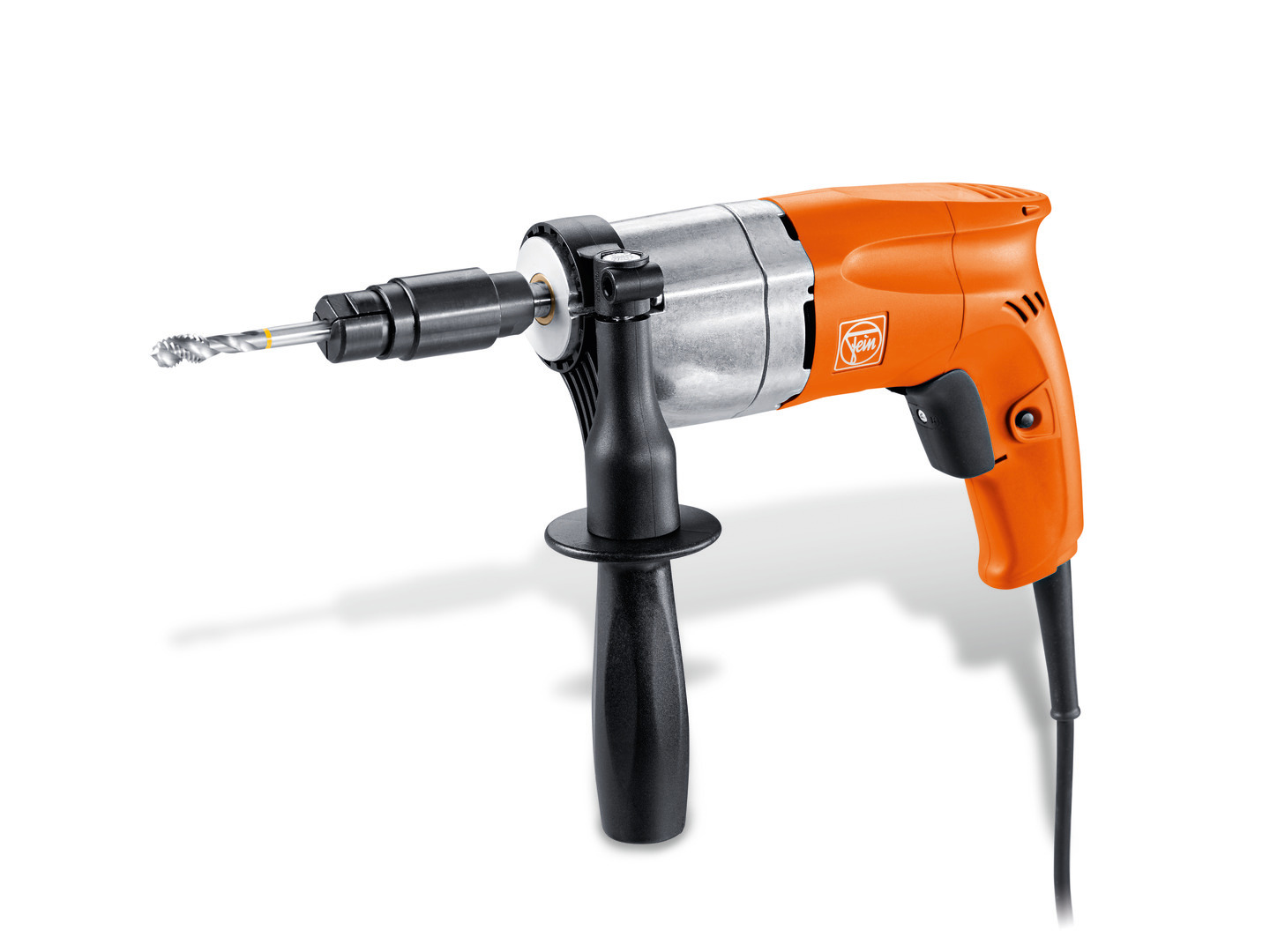
Drills are extremely popular power tools that are used to create circular holes in materials such as brick, plastic, plasterboard, wood and tiles, as well as to screw and unscrew fasteners with the appropriate drill bit, at speed.

Cordless drills are extremely popular because they are portable, although they do require the battery to be changed when it runs out, whereas electric drills and air drills are popular in workshops and garages, as they can be used continuously without the operator needing to replace and recharge a battery.

Frequently Asked Questions about Drills

What should I consider when choosing between cordless and electric drills?

Cordless drills are powered by batteries and are all about convenience because they can be used anywhere, however they have a limited run time based on the capacity of the battery. Because of this we always recommend that the operator has a spare battery that is already charged, to avoid any downtime when one battery runs out.

Electric drills offer continuous power, making them ideal for extended use but are limited by the length of the cord from the power outlet.

There is very little difference in torque output and maximum free speed between cordless and modern corded drills, the decision is normally based on operator preference of whether they want the portability of a cordless drill, or the usability of a corded drill for longer periods of time. 

How do I know if I need an air drill?

Air drills are ideal for working environments with an air compressor and offer a lightweight solution for operators that are drilling for long periods of time. This is because air drills are lighter than battery-powered or corded drills, because they have fewer internal components, which enhances operator comfort.

Another reason that they are better for use over longer periods of time is because they run on compressed air, which means they are less prone to overheating, whereas electrically powered drills can overheat when used for extended time periods.

Because there are fewer components in the internal mechanism of an air drill, when compared to an electrically powered drill, it means it is more durable and potentially more reliable, which can be a deciding factor for buyers, as an air drill will experience less wear and have an increased lifespan if used in a demanding environment.

Can I use one drill for all tasks?

One drill can be used for many tasks, but no single drill is perfect for all scenarios. For example, if the operator is drilling into concrete then a hammer drill would be needed, which has a hammering action that drives the drill forwards. Another example would be if a large hole was needed to be drilled, then it would be best suited to use a core drill, which creates a clean hole.

The main factors that should be taken into consideration when buying a drill are -

  • Power/voltage, as both directly influence the torque of the drill. The higher the torque, the more suited the drill is to heavy-duty tasks, like when drilling into materials that create resistance. 
  • Adjustable speed enables the operator to match the rotation speed (RPM) of the drill, to the material that is being drilled. Lower speeds create less heat build-up in the mechanism, reduce damage to the drill bit and provide increased control for the operator.
  • The type of material being drilled. Heavy-duty drills are often used in demanding environments and have high levels of torque, whereas around the home, most DIYers would be most suited to a cordless drill.

What do voltage and torque mean?

Voltage and torque are both different things, but both are key to how capable a power drill is.

Voltage (V) - This refers to the power of the drill's motor but doesn't determine the performance of the drill, just its potential.

Torque - This is measured in Newton metres (Nm) and provides the turning/rotational force of the drill. 

A drill that has a high voltage and high torque can handle tougher drilling jobs than one with less voltage and torque. However, not every drill requires high voltage and high torque, it depends on the demands it will be put under. If a low torque/low voltage drill is drilling in small screws, or drilling through thin strips of wood, then it would be more suitable than a drill which produces high torque, that could potentially damage the materials it is working on.

What is a hammer function and when should it be used?

Not all drills have a hammer function, it is normally found on combi drills, SDS drills and hammer drills. The hammer function is designed to add a forward and backward 'hammering action' to the hammer drill bit, whilst it also spins like any other drill bit, with the pulsing action designed to chip away at harder materials, such as concrete. This makes it easier for the operator to drill into tougher materials, but also places less strain on the motor of the drill, which helps to prevent it overheating.

Many drills with a hammer function also have an option to turn the hammering off, which allows the operator to use the same drill on different materials, such as wood and metal, which aren't recommended to be drilled with a hammering mechanism.

What causes bit walking and how do I stop it?

Bit walking refers to drill bits sliding or wandering across the surface they are drilling before puncturing the material, and is common on hard materials, as well as smooth materials like metal. It can easily be remedied by using a centre punch on the material, which indents it and makes it more difficult for the drill bit to wander. Another option is to drill a smaller pilot hole before using a larger drill bit, which can be more prone to sliding.

The operator should also address their technique if drilling is creating bit walking. Always start drilling slowly and let the drill bit grip the material before increasing the rotational speed, and apply pressure but not too much pressure, just enough to keep the drill bit engaged with the material.