Next Day Delivery on 1000s of products

Power Saw Blades

A power saw blade is a cutting blade designed for use with power saws to cut materials such as wood, metal, plastic, laminate, masonry and concrete, depending on the blade type and saw being used. Choosing the correct blade helps the operator cut more quickly, accurately and with less physical effort than when using a manual saw.

Power saw blades come in different shapes and designs depending on the tool. For example, circular saws use round blades that spin at high speed, while jigsaws, reciprocating saws and power hacksaws use straight blades that move backwards and forwards or up and down.

Fine-toothed blades usually provide a cleaner cut, while coarse-toothed blades cut faster but may leave a rougher finish. Always select a blade that matches the saw, material, size, fitting and application.

Frequently Asked Questions about Power Saw Blades

Will the number of teeth on the blade impact how it cuts material?

Yes, the number of teeth on a blade will affect how it cuts through material. On many straight blades, such as jigsaw, reciprocating saw, bandsaw and hacksaw blades, teeth are usually measured as teeth per inch (TPI), whereas circular saw blades are more commonly described by their total number of teeth.

Generally, a blade with fewer teeth cuts faster because each tooth removes more material as it passes through the workpiece. However, this usually produces a rougher finish, so blades with fewer teeth are more often used for demolition, ripping timber or making fast, rough cuts where finish quality is less important.

Blades with more teeth usually cut more slowly but produce a cleaner, finer finish because each tooth removes less material. This can help reduce chipping, snagging and rough edges, making higher-tooth-count blades useful for visible edges and for cutting sheet materials, plywood, MDF, laminate, plastics and thinner metals where a smoother finish is required.

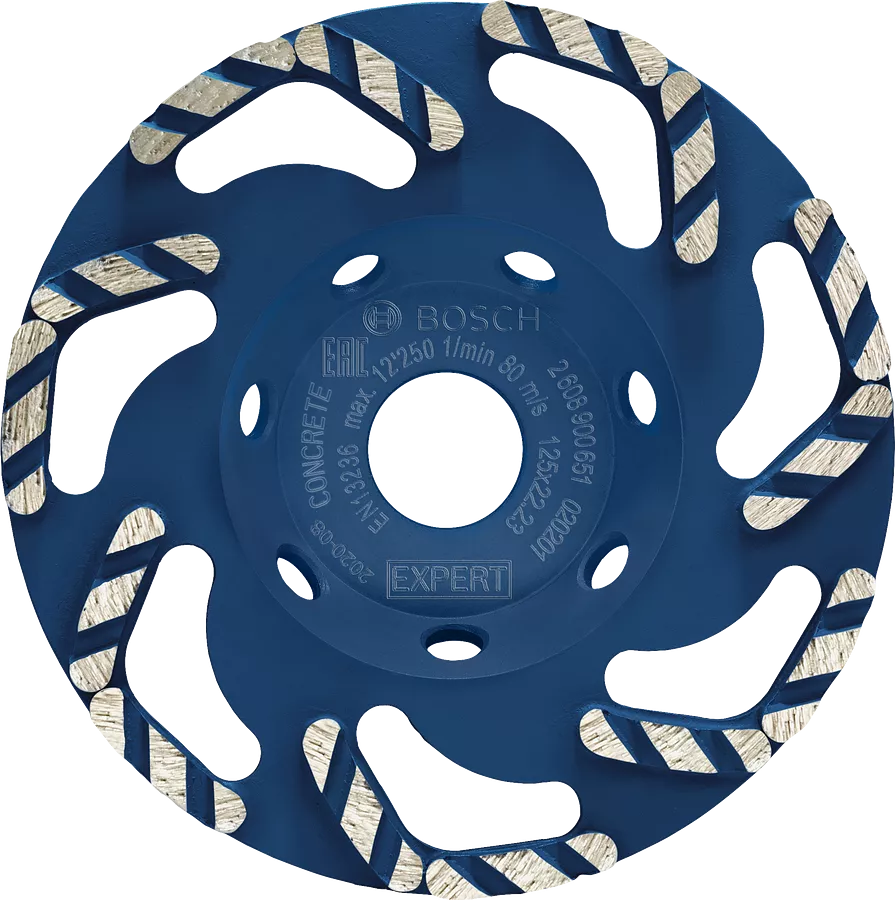
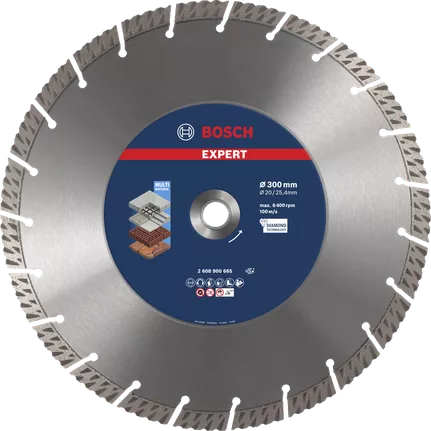
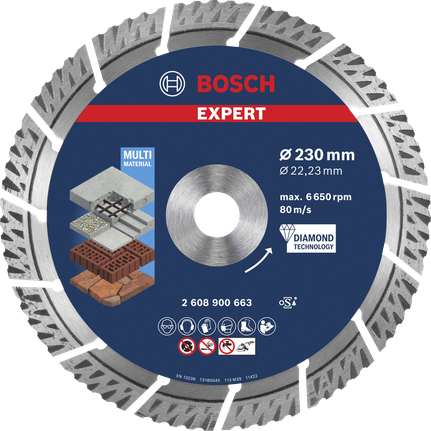
For diamond blades, tooth count does not apply. These blades use diamond grit or segments to grind through hard materials such as concrete, stone, brick and tiles, so rim type, segment design and material rating are more important factors to consider.

What blade do I need for wood, metal, plastic or masonry?

The blade used depends on the material being cut and the power saw being used.

  • For wood, use a blade with larger teeth for fast cuts, or a blade with smaller teeth that are closer together for finer cuts. An example is this jigsaw blade from Bosch. Many blades for cutting wood are made from high-carbon steel (HCS).
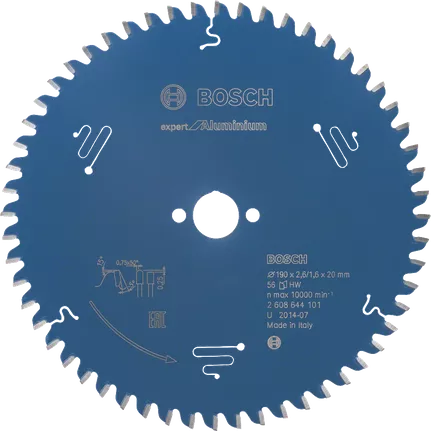
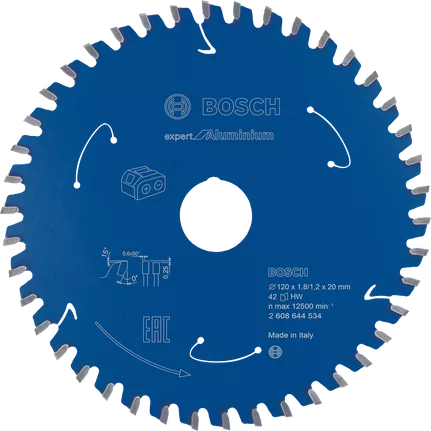
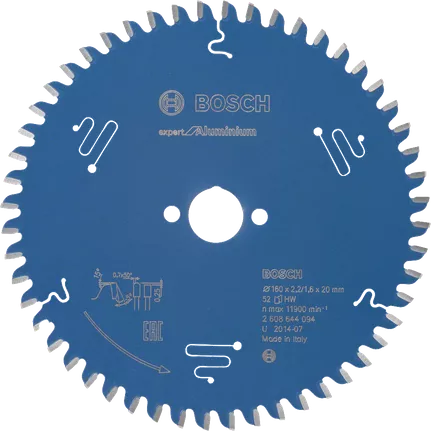
  • For metal, use an HSS, bi-metal or TCT metal-cutting blade, or a specialist abrasive or metal-cutting disc, depending on the saw. Mild steel, stainless steel, aluminium, pipe, tube and sheet metal may all require different blade types, so use the correct cutting speed and steady control. Examples include these circular saw blades that can cut through stainless steel, as well as this multi-tool blade from Fein that can cut through mild steel.
  • For plastic, use a fine-toothed blade that is designed to reduce chipping, cracking or melting. Cutting through plastic too quickly can generate heat that may melt it, so cut slowly and with control. An example is this jigsaw blade from Bosch.
  • For masonry materials, such as concrete, stone and tiles, use a masonry-rated blade, abrasive disc or diamond blade, depending on the tool and material. An example is this reciprocating saw blade from Bosch, which can cut through brick, as well as this power hacksaw blade from Fein that can cut porous concrete.

What blade material should I choose - HCS, HSS, bi-metal, TCT or diamond?

The most suitable blade type depends on the material being cut, the type of power saw being used and the finish required.

  • High-carbon steel (HCS) blades are relatively flexible and are commonly used for cutting softer materials such as wood, plywood, MDF, chipboard and some plastics.
  • High-speed steel (HSS) blades are harder and more heat-resistant than HCS blades, but they can also be more brittle. They are generally used for cutting some metals, plastics and non-ferrous materials.
  • Bi-metal blades are made from two different steels, often combining an HCS body with HSS teeth to give them a good balance of flexibility and durability. This makes them useful for more demanding cuts in materials such as mild steel, stainless steel, aluminium, copper and timber with nails, depending on the blade type.
  • TCT blades, or tungsten carbide-tipped blades, are hard-wearing and suitable for cutting tougher materials such as abrasive boards, hardwoods and some metals.
  • Diamond blades are different from standard toothed blades. Instead of cutting with teeth, they use diamond grit or segments to grind through hard, abrasive materials such as concrete, stone, masonry, brick and tiles.

Most Popular Power Saw Blades