The lifespan of a banding strap depends heavily on the type of steel it is made from, if it has a protective coating and the conditions it is exposed to.
Banding straps can be made from galvanised steel, which is essentially steel with a coating, such as zinc or PPA571, that acts as a barrier against moisture and slows down corrosion. This type of banding is OK to be used in normal outdoor conditions, away from salt and heavy industrial pollution. The zinc layer slows corrosion, but it is gradually consumed, so life varies with coating thickness and local conditions. Examples of zinc loss are shown below -
- Mild rural and low pollution environments (C2), zinc loss is up to about 0.7 microns per year.
- Urban and light coastal environments (C3), it is up to about 2.1 microns per year.
- In harsher industrial or more saline conditions (C4), it is up to about 4.2 microns per year.
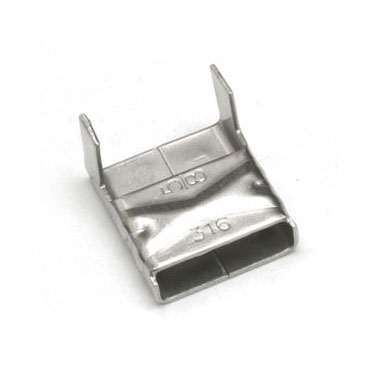
Stainless steel banding straps are used in the most demading environments, such as marine, coastal and chemical environments, because they are highly resistant to rust, chemicals, UV exposure and extreme temperatures. 316 stainless steel is typically chosen over 304 stainless steel in salt and chloride exposed environments, because it resists corrosion better, as highlighted by the British Stainless Steel Association. Stainless steel banding straps can also be coated with zinc or PPA571 to enhance their lifespan even further when used in exceptionally corrosive environments.
It should be noted that proper installation and correct tensioning will also play a part in the durability of a banding strap. Always follow manufacturers guidelines.