Next Day Delivery on 1000s of products

Electric Grinders

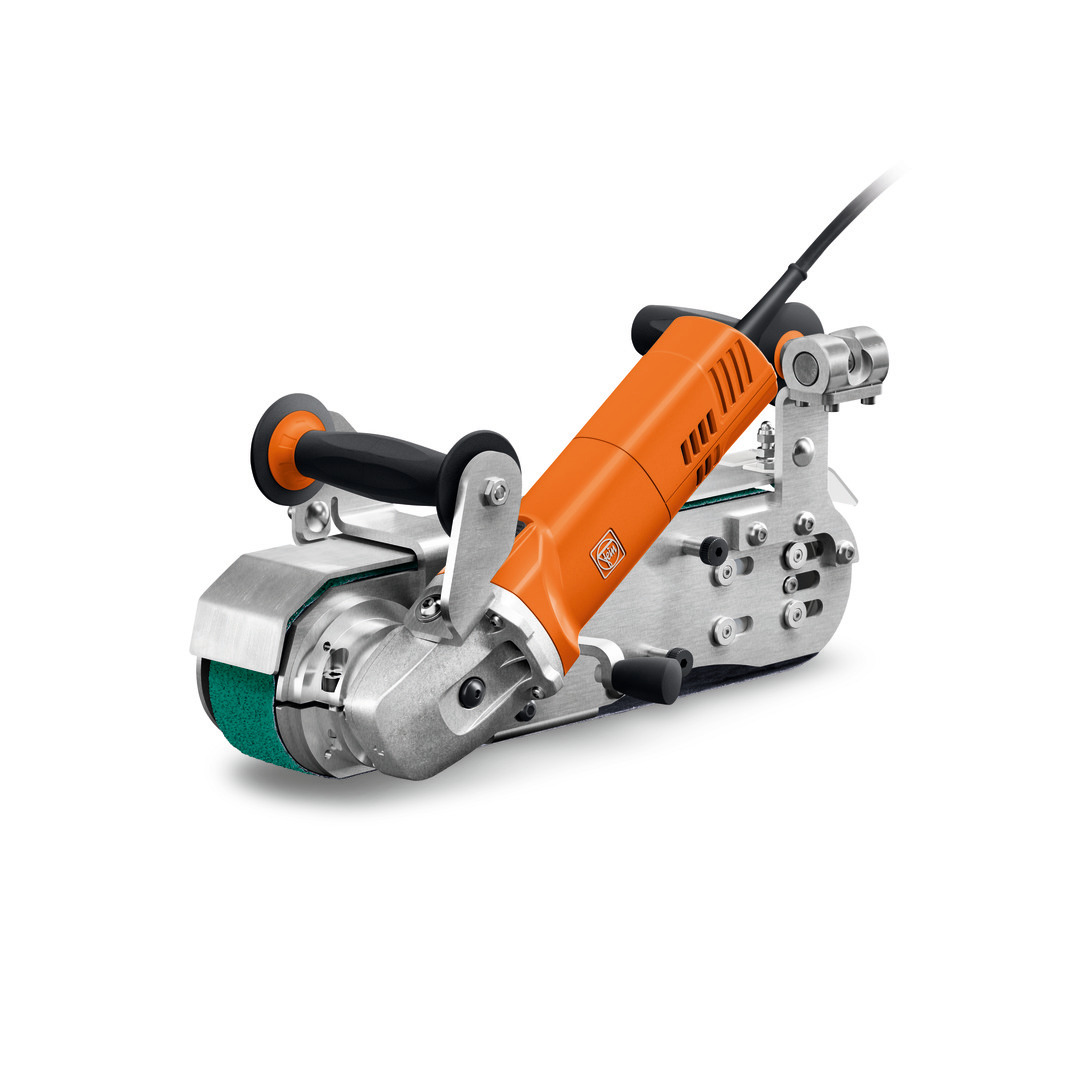
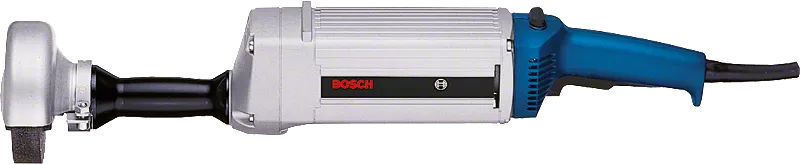
An electric grinder is a power tool that is connected to a mains power supply to rotate a disc, wheel or accessory at high speed for tasks such as cutting, grinding, sanding and polishing.

Because electric grinders are powered by the mains, this enables them to deliver consistent and uninterrupted power, which means they can carry out heavy-duty jobs and operate for longer periods without performance drop-off.

Frequently Asked Questions about Electric Grinders

Why use an electric/corded grinder instead of a battery-powered grinder?

Corded grinders are able to deliver a consistent power output because there is no battery. As a battery loses power in a cordless grinder, it is unable to supply the voltage the tool needs, and will cut out. This isn't an issue if the operator has multiple batteries, but if consistent focus is required and the operator wants to ensure that the grinder is delivering consistent power, then an electric grinder is the better choice.

Electric grinders don't suffer from voltage sag, as can occur with a cordless grinder, which can happen when the grinder comes under increased load. This means that electric grinders can maintain a steady speed and torque under increased load, such as when cutting thick metal.

Finally, corded grinders don't have a battery, which means they weigh less than battery-powered versions, allowing the operator to use the grinder for longer without getting fatigued.

Do electric grinders have a higher power output than cordless grinders?

Modern battery technology means cordless grinders can match the power of electric grinders. However, as battery charge drops and the battery cannot provide the voltage the grinder needs, it will likely cut out, whereas an electric grinder is able to provide consistent levels of high power for as long as the operator requires. So if consistent power is what is required then a corded model is superior to a cordless one.

Are electric grinders easier to use than cordless grinders?

They are not necessarily easier to use, as they will both share similar functionality. However, an electric grinder does not need a battery, so will usually be lighter and more balanced in the hand of the operator. However, if an even lighter grinder is required then the operator may need an air grinder, which doesn't have as many internal parts to it as an electric or cordless grinder, and so has a lower weight.

Are electric grinders suitable for continuous or heavy-duty use?

Electric grinders are highly suitable for continuous and heavy-duty use, which is one of their biggest advantages, as an electric grinder draws its power from the mains, enabling it to provide continuous and consistent power, without the limitations that are presented by battery-powered grinders.

Electric grinders can sustain a high power output (measured in watts), which means they can maintain their speed and torque, even under heavy load, without the voltage sag sometimes seen in a cordless grinder.

Finally, many electric grinders feature overload protection, which protects the motor when it overheats by cutting out. However, if a grinder is required for heavy use and the operator wants to ensure it never cuts out, then an air grinder may be more suitable. 

How does voltage drop from long cables affect performance?

Voltage drop happens when electricity meets resistance, and one of the main causes is using long, thin cables. Voltage drop will result in the grinder losing speed under load and this will lead to the motor drawing more current to compensate, which can lead to overheating and increased wear, shortening the life of the tool. 

There are ways to prevent voltage drop, so that a corded grinder can be used at longer distances away from a mains supply -

  • Choose thicker (lower gauge) extension leads, which will reduce resistance.
  • Ensure cables are fully uncoiled to prevent heat-buildup, which increases resistance.